

Choosing a PVC compound supplier is a decision that outlives the first purchase order. A formulation that looks right on a datasheet but comes from a supplier with inconsistent process control can turn into months of rework, failed customer audits, or a scramble to requalify a new source mid-program. A structured vetting process — done before you commit volume, not after a defect spike — is the difference between a supplier relationship and a supplier gamble.
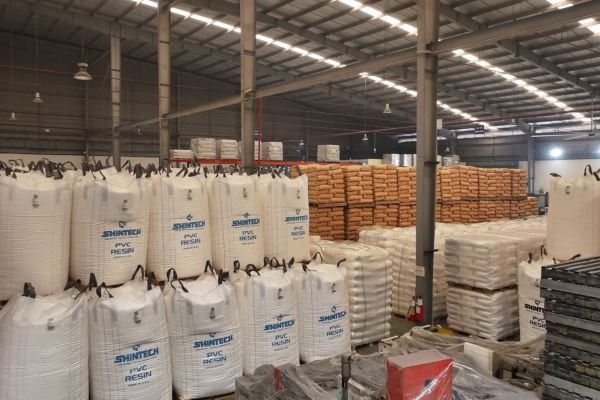
Questions to Ask Before You Commit
Before scheduling a site visit, get these in writing:
- Certification scope and validity. ISO 9001 (or any other certificate) should be checked not just for its existence but its scope and expiry — a certificate scoped to a different product category can create real compliance risk down the line.
- Formulation and customization capability. Can the supplier run your specific hardness, color, and additive requirements, or only stock grades?
- Production capacity and current utilization. A supplier already running near capacity may struggle to prioritize a new account during a demand spike.
- Incoming raw material traceability. Can they trace a finished batch back to the specific resin and additive lots used?
What to Look for During a Factory Audit
A facility visit should go beyond a walk-through. Industry audit practice generally focuses on three areas: leadership and quality policy (a documented quality system that staff actually follow, not just a binder on a shelf), process control (in-process checks and non-conforming product handling that are defined and evidenced), and traceability (whether a batch can be traced backward to raw materials and forward to shipment records). (Factory Audit Checklist – LeelineGroup)
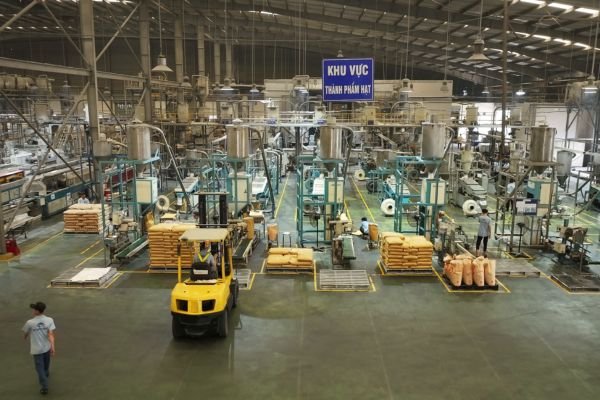
Ask to see a real production batch traced end-to-end, rather than relying on a sample handed to you at the front office — sample parts are often built by a separate R&D team and may not reflect actual mass-production consistency. (10 Factory Quality Audit Checklist Essentials – InTouch Quality)
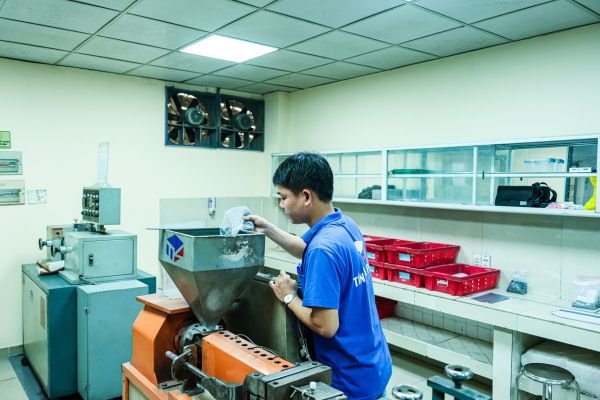
Red Flags to Watch For
- Reluctance or deflection when asked specific process questions, rather than direct operational detail.
- A certificate that’s valid but scoped to a different product line than what you’re sourcing.
- Inability to trace a batch backward to raw material lots on request.
- Equipment or tooling changes made without documentation or customer notification.
None of these alone is disqualifying, but a supplier showing two or three of these patterns during an audit is a supplier worth a second look before you commit.
Frequently Asked Questions
Does having ISO 9001 alone mean a PVC compound supplier is fully vetted? No — ISO 9001 confirms a certified quality management system exists, but scope and expiry still need separate verification, since a certificate scoped to a different product line doesn’t cover what you’re actually sourcing.
What counts as a red flag during a PVC compound supplier audit? Two or three of these together — an untraceable batch, an undocumented equipment change, or a certification scope that doesn’t match your product — are worth a second look, though no single flag alone is disqualifying.
Can this checklist be requested in a printable format? Yes — contact Tin Kim’s team for a printable version, along with the ISO 9001 certificate and RoHS/REACH documentation for the specific SKUs under evaluation.
How Tin Kim Measures Up Against This Checklist
Tin Kim’s quality management system is certified to ISO 9001:2015. Tin Kim welcomes factory audits and visits — see our [Factory Location & Visit Scheduling FAQ] for how to arrange one. On production scale: Tin Kim’s largest compound customer to date is a large-scale pipe manufacturer (customer name withheld per our confidentiality practice) — a useful reference point for the volume and consistency the facility is built to support, though we don’t yet have a case study in every sector a prospective buyer might be sourcing for.
Get the Full Checklist
Want this checklist in a printable format for your next supplier audit? Contact our team and we’ll send it over, along with our ISO 9001 certificate and RoHS/REACH documentation for the SKUs you’re evaluating.