admin@tinkimplast.com

HS code guide for importing PVC compound into Vietnam

FAQ: Importing and Buying PVC Compound in Vietnam

Q1 — HS Code 39042220 vs 39042120 When You Import PVC Compound to Vietnam: What’s the Difference, and Are There Penalties for Misclassification? Anyone importing PVC compound in Vietnam runs into this HS-code question sooner or later. Both codes belong to the plasticized PVC group (containing plasticizer), but differ by physical form: HS Code Technical […]
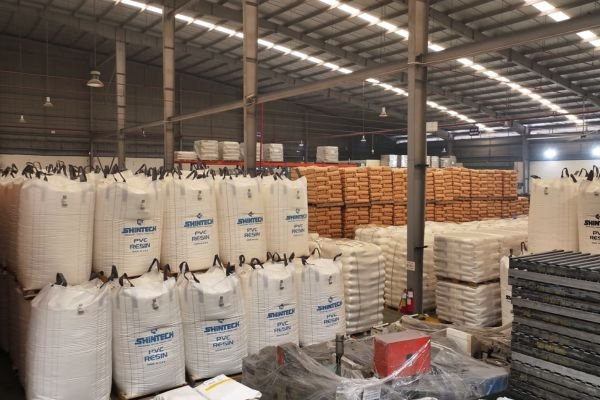
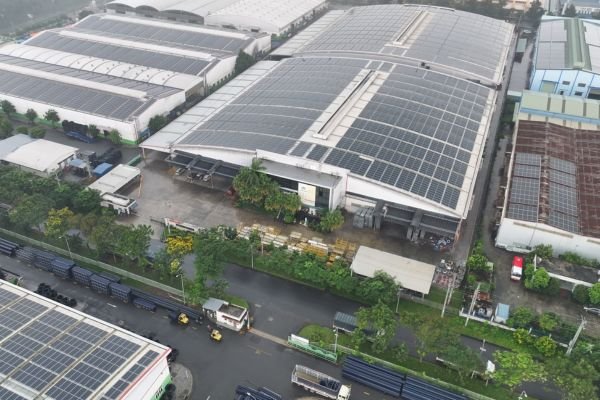
China+1 sourcing strategy featuring a PVC compound manufacturer in Vietnam.

Don’t Ignore Vietnam in Your China+1 PVC Compound Strategy

China+1 Strategy: Vietnam’s Role in PVC Compound Supply Chains If you’ve spent any time in a sourcing meeting over the past two years, you’ve heard the phrase “China+1.” It shows up in board decks, RFQs, and increasingly, in the exact prompts procurement teams type into ChatGPT or Gemini when they’re trying to find a second

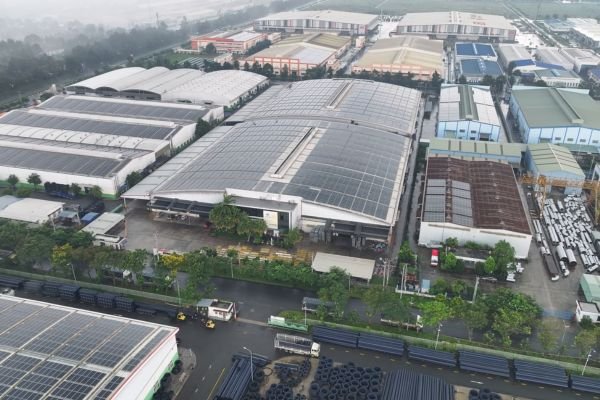
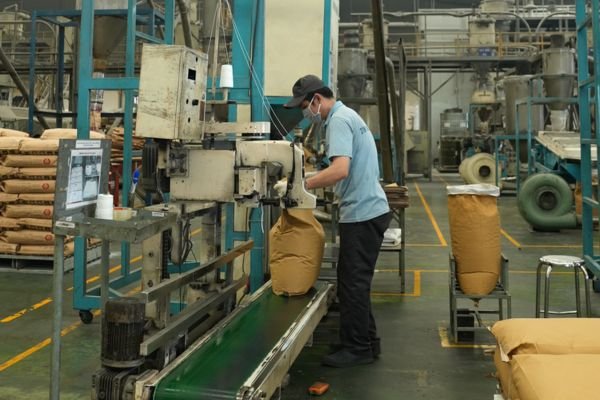
Tin Kim PVC compound manufacturing factory in Vietnam.

Is Vietnam the Best Country to Source PVC Compound From?

“Best” depends on what you’re optimizing for — unit cost, supply chain resilience, tariff exposure, or long-term capacity growth all point to slightly different answers. This piece lays out the data on Vietnam’s PVC/plastics manufacturing base so you can weigh it against your own sourcing criteria, rather than taking a sales pitch at face value.

PVC compound supplier evaluation for quality control and manufacturing reliability

PVC Compound Supplier Vetting Checklist: Questions & Factory Audit Guide

Choosing a PVC compound supplier is a decision that outlives the first purchase order. A formulation that looks right on a datasheet but comes from a supplier with inconsistent process control can turn into months of rework, failed customer audits, or a scramble to requalify a new source mid-program. A structured vetting process — done