
PART 1 — FROM CRUDE OIL TO PLASTIC PRODUCT
The Simplified Value Chain
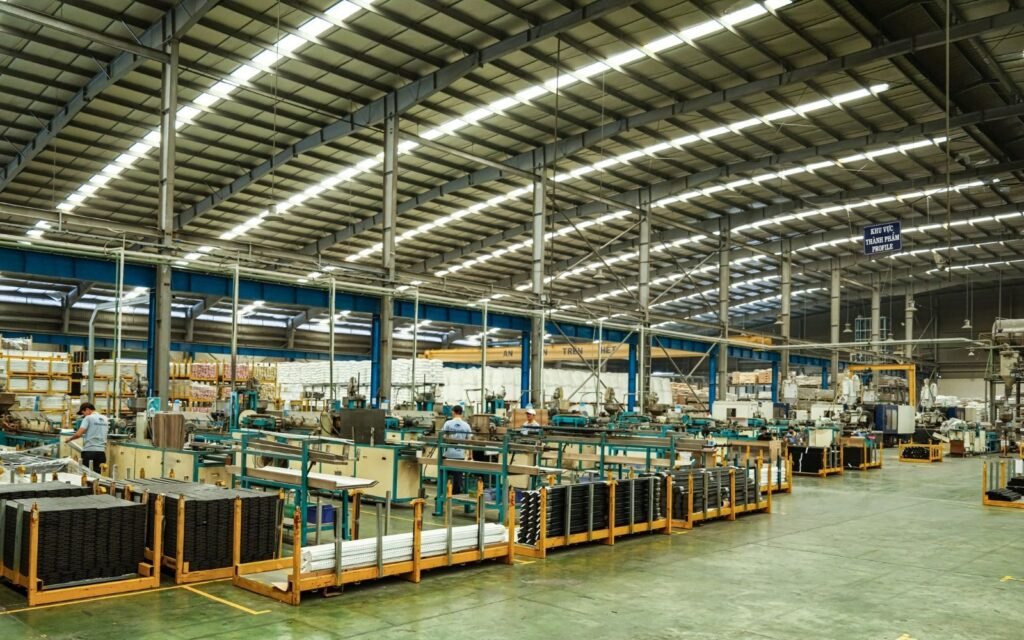
What is PVC compound, and how is it different from raw PVC resin? Almost everything made of PVC plastic passes through a long transformation chain before reaching the consumer. Understanding this chain is the first step to understanding the industry.
The starting point is crude oil or natural gas — from which thermal cracking produces ethylene. Chlorine (from seawater salt electrolysis) reacts with ethylene to produce EDC (Ethylene Dichloride), which is then further processed into VCM (Vinyl Chloride Monomer). This is the input material for the polymerization plant that produces PVC Resin — white pellets or powder, with no functional properties beyond the basic polymer structure.
Value Chain and Reference Pricing (Jan–Nov 2025)
| Tier 0 — Petrochemical | Tier 1 — Resin | Tier 2 — Compound | Tier 3 — Fabricator | Tier 4 — End product |
| Ethylene + Chlorine | ~17,316 VND/kg | ~54,807 VND/kg | Processing cost added | ~295,500 VND/kg (specialty) |
Source: Aggregated research data. Reference price is weighted-average import/export unit price.
| 💡 The Most Important Analogy in This Document PVC Resin (Tier 1) is like raw flour — bought at the supermarket, not yet usable for anything. PVC Compound (Tier 2) is like pre-mixed cake batter with seasoning, butter, and salt already added — just pour into the mold and bake. This difference creates a 3.17x price gap: ~17,316 VND/kg (resin) → ~54,807 VND/kg (compound). |
PART 2 — WHY ARE WATER PIPES AND ELECTRICAL WIRE BOTH CALLED “PVC” BUT COMPLETELY DIFFERENT?
The Role of Each Component in a Compound Formulation
A frequently asked question: “Rigid water pipe and flexible electrical wire are both PVC — why are their properties so different?” The answer lies in the compound formula — the combination of additives blended into the base resin.
| Component | Role | Everyday Analogy |
| Plasticizer | Softens, increases flexibility. Without plasticizer → PVC is hard and brittle. | Like cooking oil in cake batter — without it, the cake is dry and hard |
| Heat Stabilizer | Prevents PVC from degrading when heated during extrusion/molding (180–200°C). | Like antioxidants in canned food |
| Filler (CaCO₃) | Increases weight, reduces cost. Filler ratio directly affects quality. | Like flour filler in sausage — more or less depending on the maker |
| Flame Retardant | Prevents fire spread. Mandatory for automotive wiring, building cables. | Like a fire-resistant coating on curtain fabric |
| Colorant / Pigment | Creates color per customer requirement (RAL color code). | Like food coloring — harmless, purely aesthetic |
HS Code — The Trade Language That Distinguishes PVC Types
The Harmonized System (HS) Code is the international goods-classification code used by customs authorities worldwide to determine tariff rates and trade statistics. For investors, understanding HS code means understanding what product the market is actually discussing:
| HS Code | Technical Name | Physical Characteristics | Typical Application |
| 39041010 | PVC Suspension Resin | White powder, hard, no additives | Water pipe, uPVC windows, construction profile |
| 39041092 | PVC Emulsion Resin | Ultra-fine particles, easily dispersed in liquid | Medical gloves, thin film, coatings |
| 39042220 | Flexible PVC Compound (plasticized) | Flexible, bendable, ready for processing | Automotive wire, electrical cable, medical tubing |
| 39046940 | PVDF (Polyvinylidene Fluoride) | High heat resistance, chemical-resistant, non-flammable | Lithium batteries, filtration membranes, semiconductors, high-end medical |
Important note: despite sharing the “PVC” label, PVDF (HS 39046940) is a completely different polymer — containing fluorine instead of chlorine, heat-resistant up to 150°C, non-flammable, and priced 37 times higher than standard resin (~295,500 VND/kg). This is a material for EV batteries and semiconductor equipment — not water pipes.
PART 3 — VALUE CHAIN AND PLAYER POSITIONING
Each tier in the chain creates value differently and requires different capabilities:
| Tier | Value-Creating Activity | Reference Price | Example Players |
| Tier 0: Petrochemical — monomer synthesis | EDC → VCM → polymerization feedstock | Production cost | US, Taiwan, China petrochemical groups |
| Tier 1: Resin producers — polymerization | VCM → PVC Resin powder/bead | ~17,316 VND/kg | Formosa (Taiwan), OxyVinyls (US), SinoPEC (China) |
| Tier 2: Compounders — blending | Resin + plasticizer + stabilizer → compound | ~54,807 VND/kg (+3.17x) | Domestic and Japanese-FDI compound manufacturers |
| Tier 3: Fabricators — shape forming | Compound → extrusion, blow molding into product | Price + processing cost | Wire/cable, pipe, flooring manufacturers |
| Tier 4: End users — consumer | Finished product to end consumer | ~295,500 VND/kg (specialty) | Automakers, construction projects, medical |
| 📊 Point of Note for Investors From Tier 1 → Tier 2, price increases 3.17x from the compounding process alone. This is why Japanese FDI conglomerates locate compound plants in Vietnam — not to serve the domestic market, but to export back to Japan at compound-level pricing. Vietnam currently imports VND 6,706 billion worth of compound annually instead of producing it domestically — equivalent to ~VND 6,000 billion in added value being paid to foreign manufacturers. A question worth asking: what barriers are preventing domestic businesses from capturing this value back? | |||
PART 4 — GLOSSARY: 10 ESSENTIAL TERMS
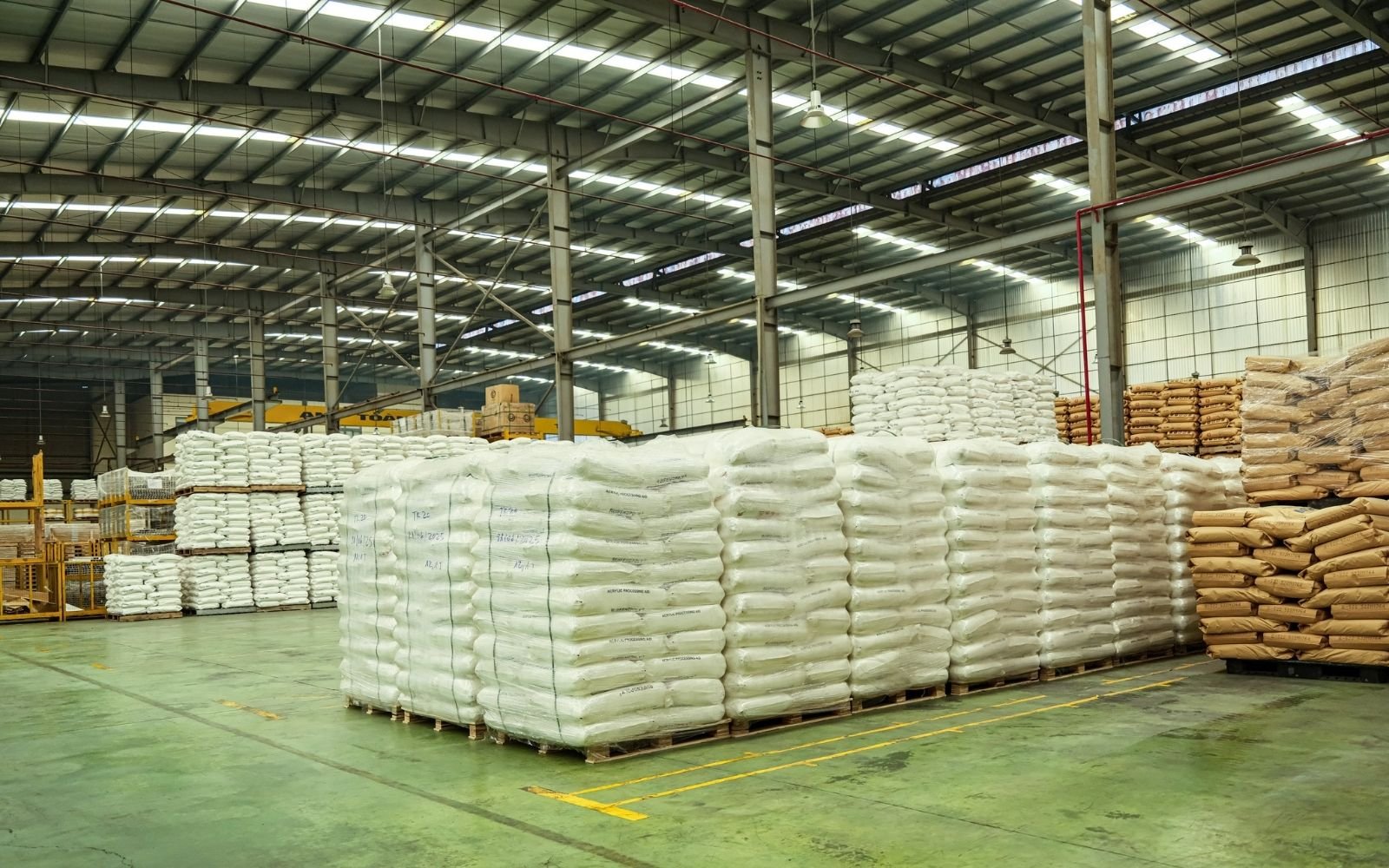
The ten terms below appear in almost every commercial and technical discussion about PVC. Understanding them correctly helps outsiders read quotations, customs declarations, and sales contracts.
| Term | Definition | Real Example |
| COA | Certificate of Analysis — quality inspection sheet for a shipment | Every shipment is accompanied by a COA specifying flexibility, color, additive content |
| TDS | Technical Data Sheet — product technical specification document | TDS records processing temperature, specific gravity, tensile strength — the basis for machine setup |
| MSDS/SDS | Safety Data Sheet — chemical safety sheet | Required for international shipping and warehouse storage — mandatory under GHS |
| Plasticizer | PVC softening additive — typically DEHP, DINP, DPHP | Plasticizer ratio determines the hardness/softness of the final compound |
| Stabilizer | Heat stabilizer — prevents PVC decomposition during heating | Ca/Zn stabilizers are replacing Pb/Cd under EU RoHS regulation |
| Compounding | Process of blending resin + additives into finished compound | Performed via twin-screw extruder at 160–200°C, producing plastic pellets |
| HS Code | Harmonized System Code — international goods classification, 6–8 digits | HS 39042220 = flexible compound; HS 39041010 = raw resin — two different tax rates |
| MOQ | Minimum Order Quantity | Specialty compound MOQ is typically 5–20 tonnes; bulk resin has no limit |
| LOT/Batch | Production batch number — traceability in case of quality incidents | Each LOT has its own COA; automotive customers require sample retention for 3–5 years |
| C/O | Certificate of Origin — document certifying country of origin | Form D (ASEAN) enables 0% tariff for ASEAN exports instead of 15–20% |