
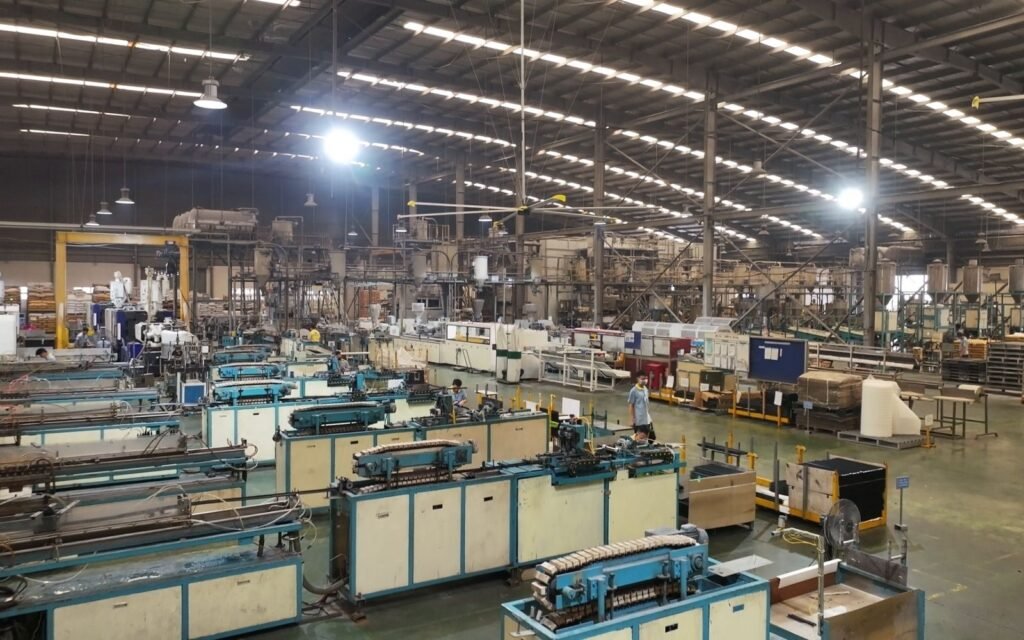
If you’ve been evaluating PVC suppliers and keep running into the term “Tier-2 PVC Compounder,” it’s worth understanding exactly where that position sits in the supply chain — because it explains what a company like this can and can’t do for you, and why that’s often exactly what a buyer needs.
The PVC supply chain, in three steps
PVC starts as resin: ethylene and chlorine are combined into EDC, thermally cracked into VCM, and polymerized into PVC resin — a process run by large, capital-intensive chemical producers (Westlake, Formosa, Orbia, and similar integrated players globally) (ChemAnalyst’s overview of the global PVC supply chain). That raw resin, on its own, isn’t usable in most finished products — it needs to be blended with plasticizers, stabilizers, fillers, and other additives to become a compound engineered for a specific application: rigid for pipe and profile, flexible for cable jacketing or flooring, and so on.
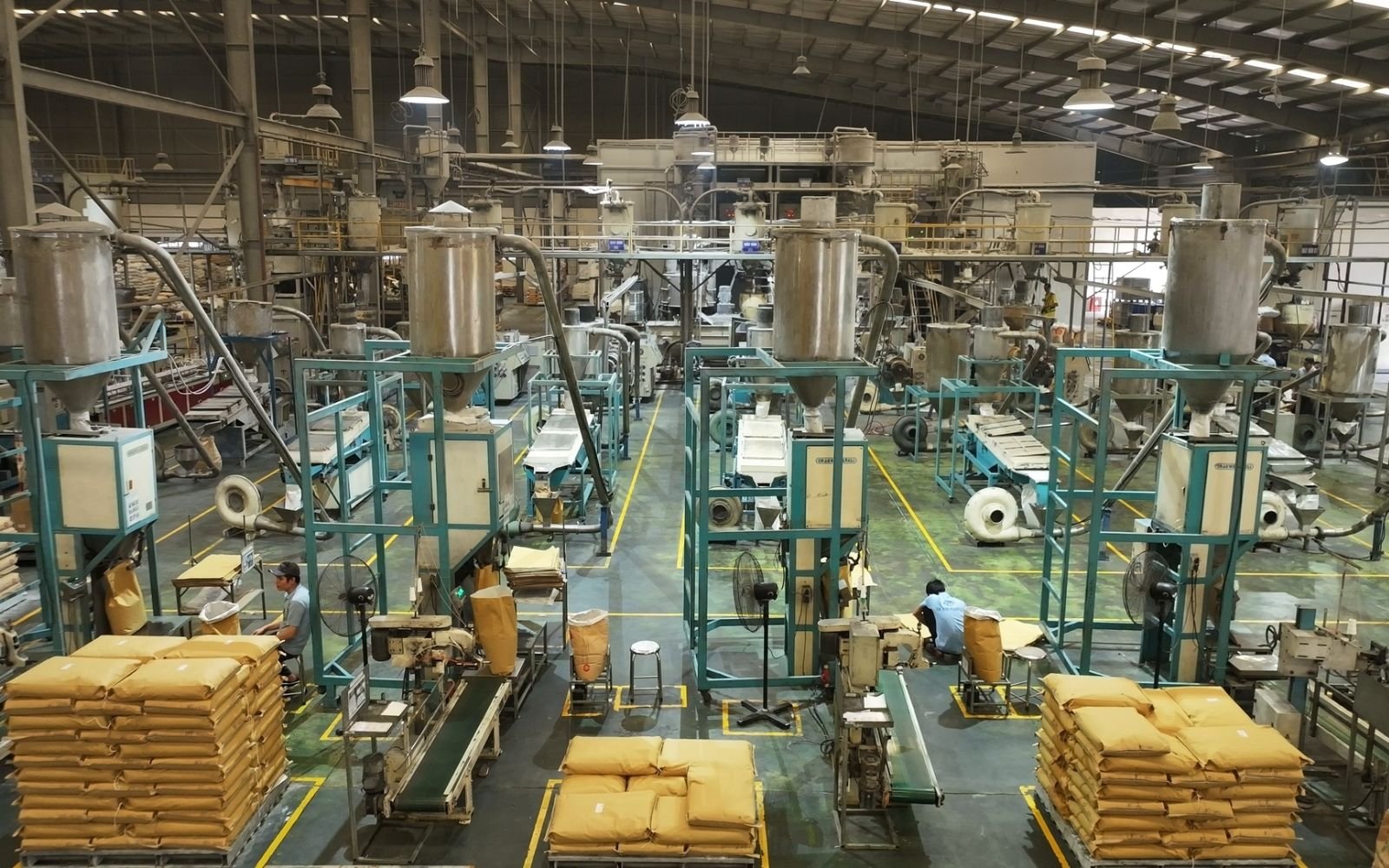
That blending step is compounding, and it sits in the middle of the chain: resin producer → compounder → converter/OEM. The compounder’s job is to take standardized resin and turn it into a material with the exact mechanical, electrical, or chemical properties a specific end product needs — then hand that formulated compound off to a converter or OEM, who extrudes, molds, or otherwise processes it into the finished part.
Where “Tier 2” fits into that
Borrowing the tiering language more commonly used in automotive and electronics supply chains: a Tier-1 supplier works directly with the end brand or OEM, while a Tier-2 supplier supplies inputs to that Tier-1 player without direct visibility to the end brand (Greenly’s explainer on Tier 1, 2, and 3 suppliers). Applied to plastics: a PVC compounder is generally a Tier-2 position — the compounder isn’t (usually) the company putting its brand on the finished window profile, cable, or flooring plank; it’s supplying the formulated material that the converter or OEM turns into that product.
Why that position is actually an advantage for buyers
Being Tier-2 sounds like a step removed from where the value is, but for a buyer with a specific technical requirement, it’s precisely the layer where flexibility lives. A compounder’s whole function is formulation — adjusting plasticizer type and loading, stabilizer packages, fillers, and additive systems to hit a target property (electrical resistance, flame behavior, weathering resistance, or simple cost-performance balance) rather than selling a single standardized resin grade.
Global compounders like Westlake Global Compounds and Americhem structure their entire business around exactly this kind of application-specific formulation work rather than commodity resin supply (Westlake Global Compounds’ product portfolio overview; Americhem’s PVC compounding capabilities) — which is the same reason a buyer with a non-standard requirement (a specific hardness, a specific temperature range, a specific regulatory limit) typically needs to talk to a compounder, not a resin producer directly.
Where Tin Kim sits
Tin Kim operates as a Tier-2 PVC compounder: we take raw PVC resin and formulate it into rigid and flexible compounds for OEM/ODM customers across construction, consumer goods, electrical, and medical-adjacent applications, built on 26+ years compounding at our facility in Dong An 2 Industrial Park, Binh Duong. If your product needs a formulation adjusted for a specific mechanical, electrical, or regulatory requirement rather than an off-the-shelf resin grade, that’s the conversation a Tier-2 compounder is built to have.