
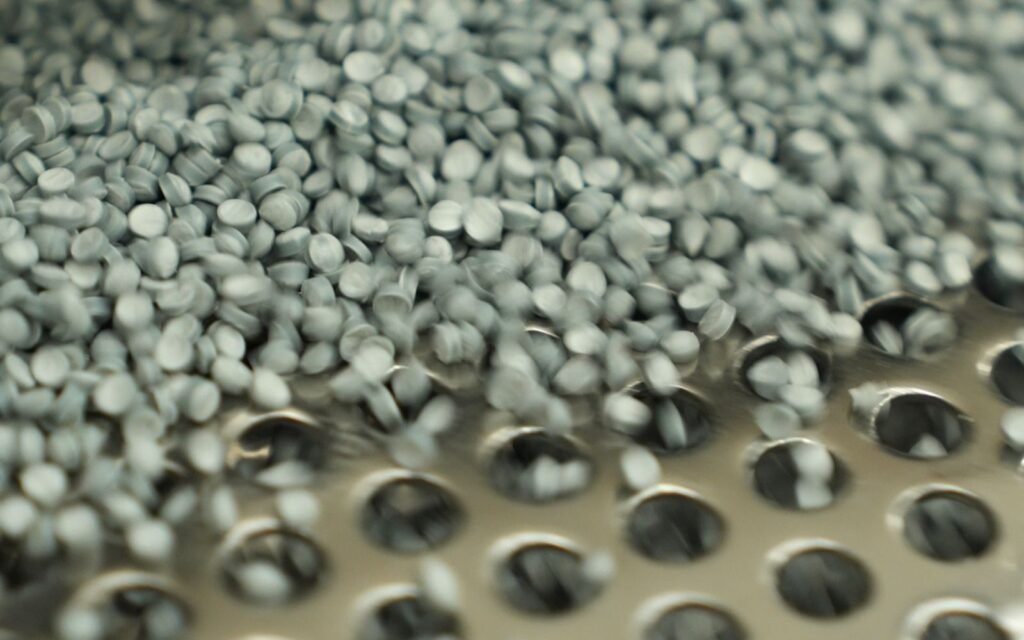
Toy-grade PVC compound sits under some of the strictest chemical and mechanical scrutiny in the plastics world, for an obvious reason: the end user is a child, and testing has to account for behaviors, chewing, mouthing, small-part swallowing — that most other applications never need to consider. Here’s a practical breakdown of the three regulatory frameworks that matter most, and what they – Toy Safety Standards for PVC Compound – actually require.
ASTM F963-23 (United States)
Mandatory in the US since April 20, 2024 under CPSIA, ASTM F963-23 covers small parts (any piece under roughly 3cm in diameter must pass a pull-force test to confirm it can’t detach and become a choking hazard), burn rate limits for fabric and plush components (under 0.10 inch/second), limits on eight heavy metals (lead in paint capped at 90ppm), and — new in the 2023 revision — limits on six specific phthalates, each capped at 0.1% by weight.
EN71 (European Union, 14 parts)
EN71 is stricter than ASTM F963 on several specific points. EN71-1 limits cord and ribbon length on toys intended for children under 3 to 22cm, addressing strangulation risk. EN71-3 controls 19 heavy metals — nearly double the 11 covered under the US framework — with antimony and selenium each capped at 60ppm, and requires testing across every accessible material (paint, plastic, and fabric alike), not just the plastic substrate.
One clarification worth making explicit: CE marking is not itself a test result. It’s a declaration of conformity — the manufacturer’s own assertion that the product meets applicable EU requirements. A business still needs the full EN71 test report plus a Declaration of Conformity (DoC) on file; CE marking alone doesn’t satisfy an EU customs inspection.
CPSIA (United States, official phthalate limit)
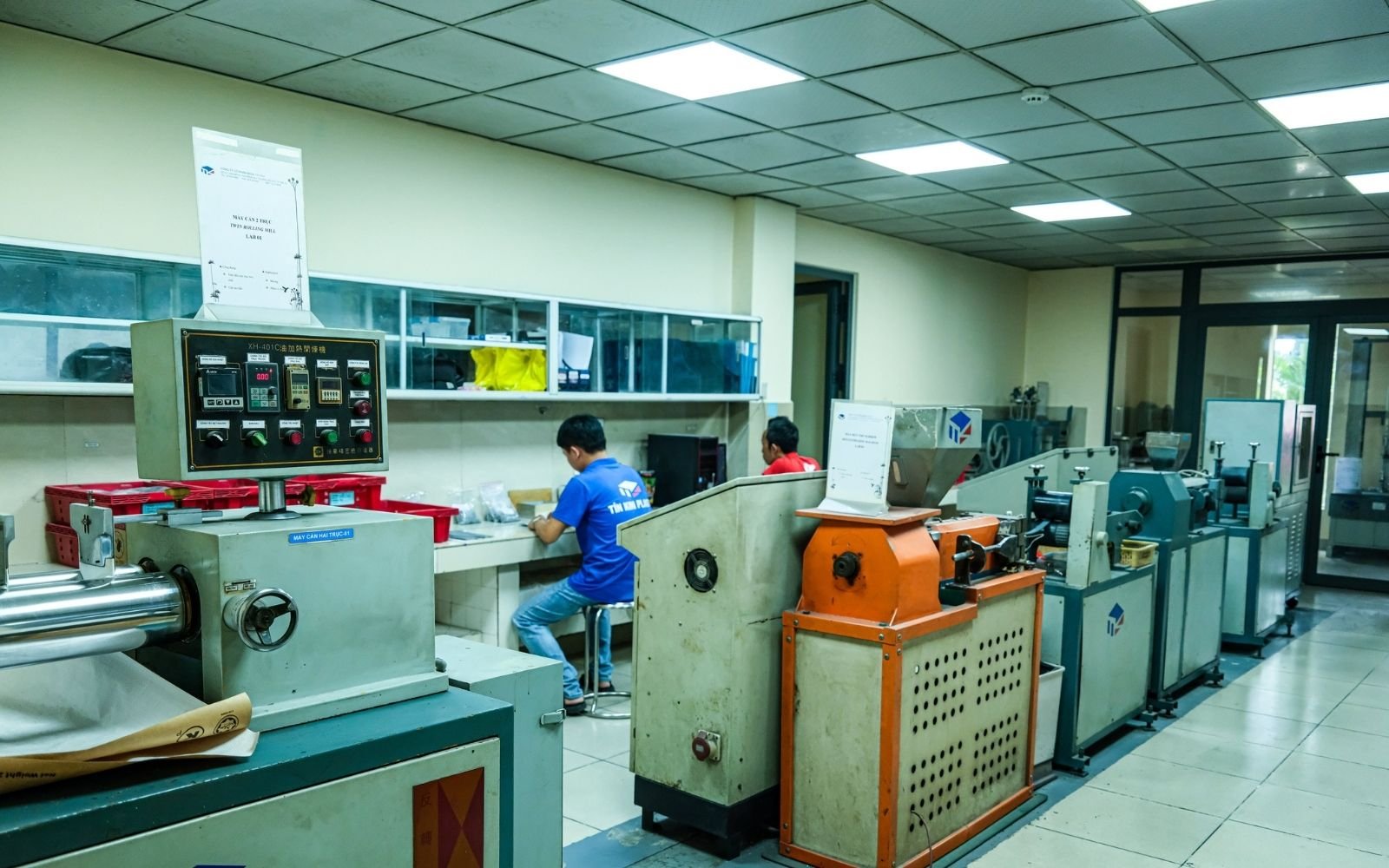
Per the US Consumer Product Safety Commission, the official phthalate limit is 0.1% (1,000ppm) maximum in any accessible component, under 16 CFR 1307.3 as established by CPSIA (CPSC’s official Toy Safety FAQ).
Comparison summary
| ASTM F963-23 (US) | EN71 (EU) | |
| Heavy metals covered | 8 elements | 19 elements (EN71-3) |
| Phthalate limit | 6 phthalates, ≤0.1% each | Aligned with EU REACH limits |
| Small parts | Pull-force test, <3cm parts | Similar mechanical testing under EN71-1 |
| Cord/ribbon length (under-3 toys) | Not specifically addressed | ≤22cm (EN71-1) |
| Compliance marker | Not a single mark; test report required | CE mark + DoC (mark alone is not sufficient) |
(sources: ChengjiToy’s overview of global toy safety standards; CPSC’s official Toy Safety FAQ)
Where Tin Kim fits
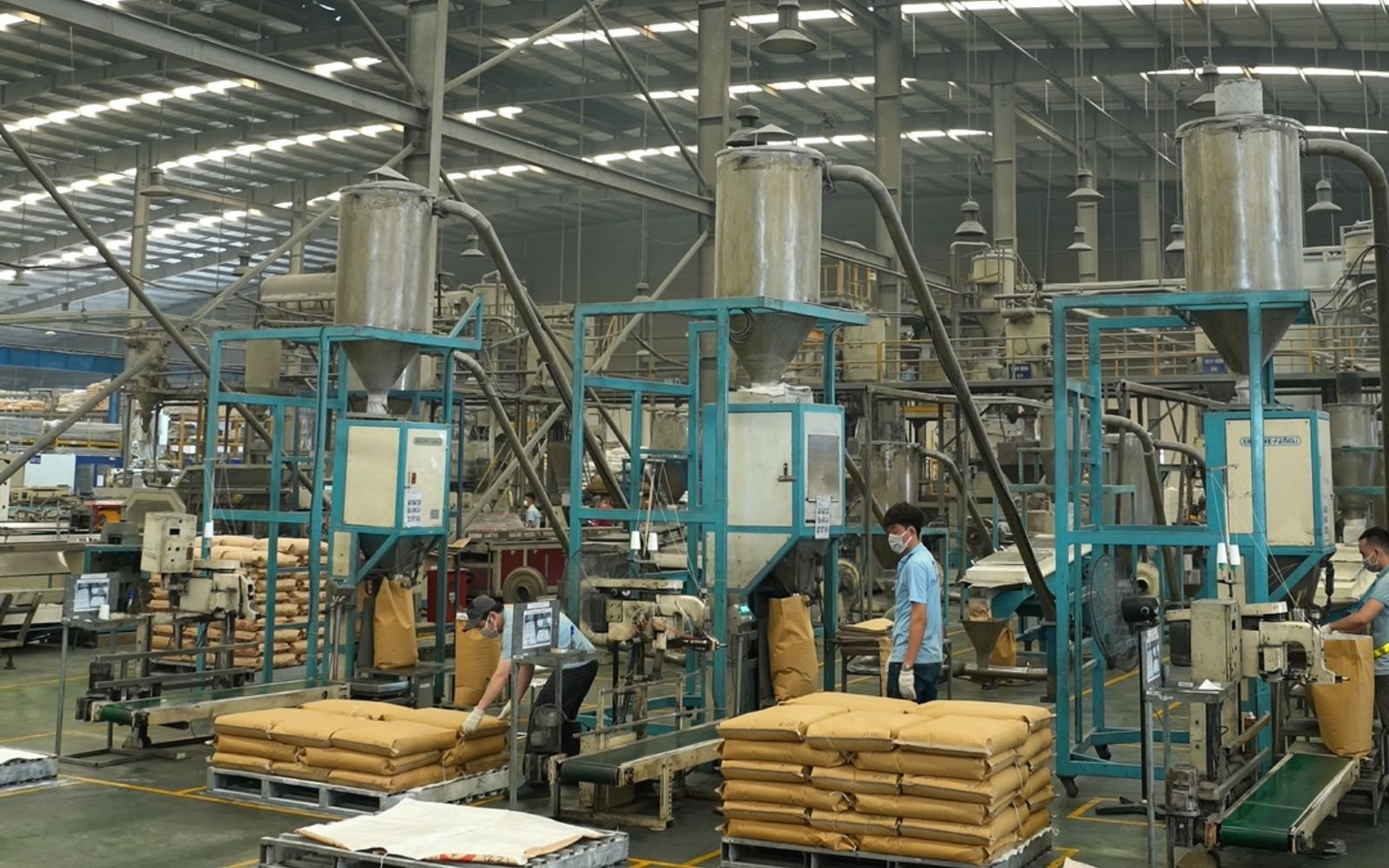
To be transparent: Tin Kim has not yet supplied a customer in the toy industry, and our current catalog doesn’t carry a dedicated “toy-grade” market segment — our published product lines are organized under Construction, Consumer Goods, Electrical, and Medical-adjacent categories. What we can speak to is formulation capability: meeting a 0.1% phthalate cap, controlling heavy metal content, and formulating to a target hardness or flexibility are all things our compounding process is built to handle — the toy-specific compliance testing itself would need to be arranged with the appropriate accredited lab before any product could carry an EN71 or ASTM F963 claim. We’re not positioning this article as evidence we’ve done that yet; it’s here because the compliance landscape is exactly the kind of question a buyer evaluating this space needs answered clearly, standard by standard.